

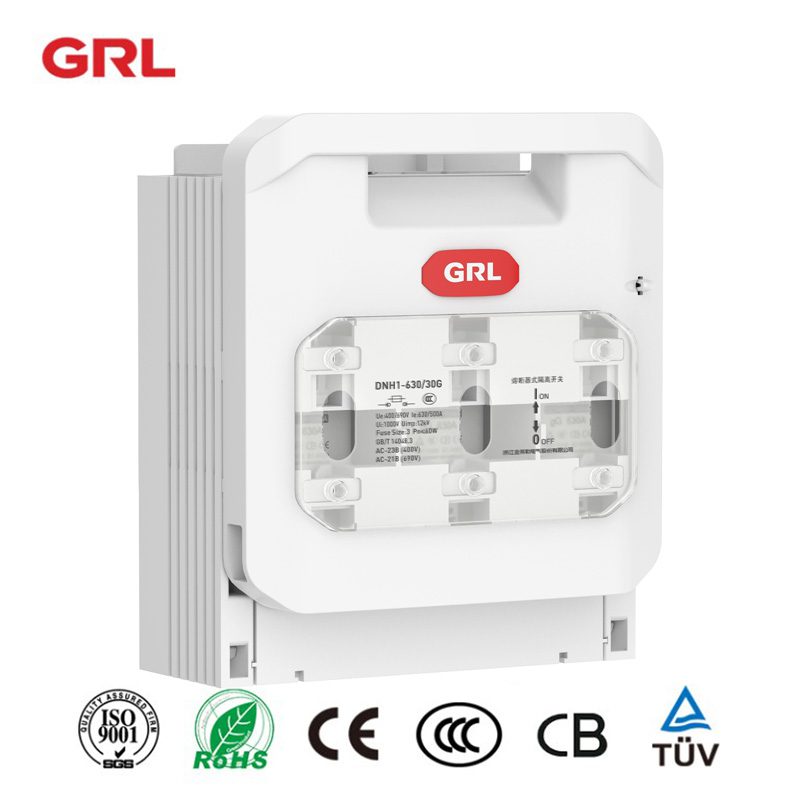
# Fuse Disconnector: Essential Protection for Electrical Circuits
## What is a Fuse Disconnector?
A fuse disconnector is a crucial component in electrical systems that combines the functions of a fuse and a disconnector. It serves as both a protective device and a means to isolate electrical circuits for maintenance or repair purposes. These devices are designed to interrupt excessive current flow while providing a visible break in the circuit when opened.
## How Does a Fuse Disconnector Work?
The fuse disconnector operates on a simple yet effective principle:
– Under normal operating conditions, the fuse element remains intact, allowing current to flow through the circuit.
– When an overcurrent or short circuit occurs, the fuse element melts, breaking the circuit and protecting downstream equipment.
– The disconnector function allows manual operation to open the circuit visibly, ensuring safe isolation for maintenance work.
## Key Features of Fuse Disconnectors
Modern fuse disconnectors offer several important features:
– Visible isolation gap for safety verification
– Quick-make, quick-break operation
– High breaking capacity
– Compact design for space-saving installation
– Various mounting options (panel, DIN rail, etc.)
– Multiple pole configurations (single, double, triple pole)
## Applications of Fuse Disconnectors
Fuse disconnectors find applications in numerous electrical installations:
– Industrial control panels
– Power distribution systems
– Motor control centers
– Renewable energy systems
– Building electrical installations
– Machinery and equipment protection
## Advantages Over Separate Components
Using a fuse disconnector instead of separate fuse holders and switches offers several benefits:
– Space efficiency in electrical enclosures
– Simplified installation and wiring
– Cost-effective solution
– Improved safety with visible isolation
– Reduced maintenance time
– Better coordination between protection and isolation functions
## Selection Criteria for Fuse Disconnectors
When choosing a fuse disconnector, consider these factors:
– Voltage rating (must match or exceed system voltage)
– Current rating (both continuous and breaking capacity)
– Fuse type compatibility (size and characteristics)
– Environmental conditions (temperature, humidity, etc.)
– Certifications and compliance with local standards
– Mechanical endurance (number of operations)
## Maintenance and Safety Considerations
Proper maintenance ensures reliable operation:
Keyword: Fuse Disconnector
– Regular inspection for signs of wear or damage
– Checking tightness of connections periodically
– Replacement of fuses with identical ratings
– Verification of proper operation after maintenance
– Following lockout/tagout procedures when working on circuits
Always consult manufacturer guidelines and local electrical codes when installing or maintaining fuse disconnectors to ensure safe and compliant operation.