

# Fashion Design Software for Creative Professionals
## The Evolution of Fashion Design Tools
Fashion design software has revolutionized the way creative professionals approach garment creation. Gone are the days when designers relied solely on paper sketches and physical prototypes. Today’s digital tools offer unprecedented precision, efficiency, and creative freedom.
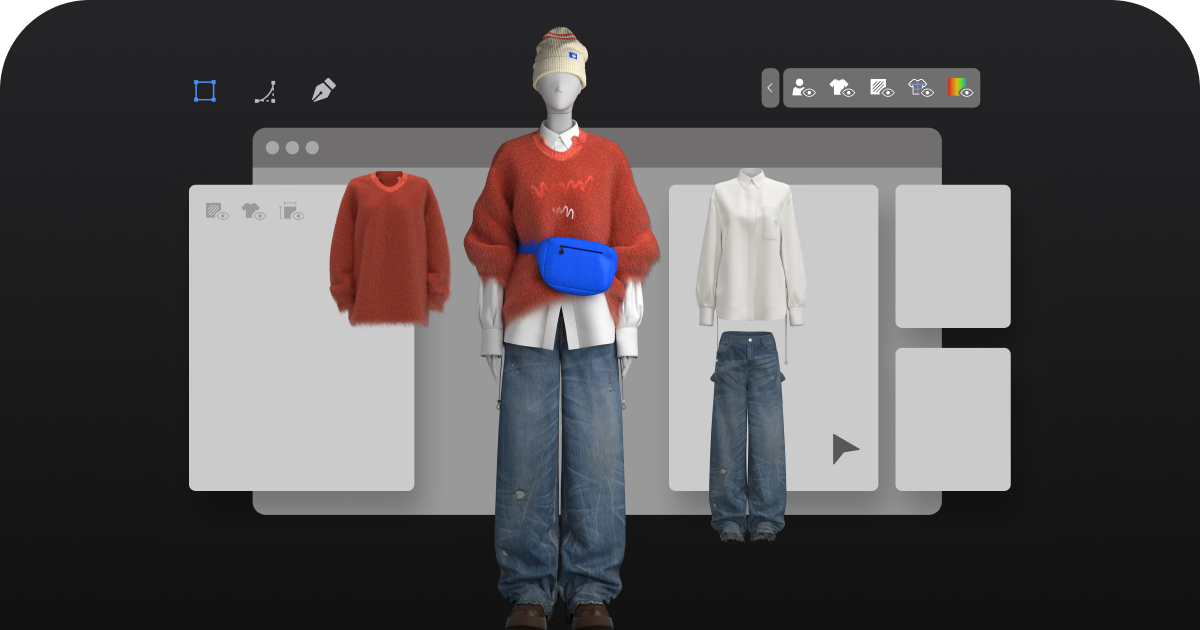
Modern fashion design programs combine traditional design principles with cutting-edge technology, allowing designers to visualize concepts in 3D, experiment with fabrics digitally, and even simulate how garments will drape on different body types.
## Top Features to Look For
When selecting fashion design software, professionals should consider several key features:
Keyword: fashion designing software
Pattern Making Tools: Advanced CAD capabilities for creating precise patterns and grading sizes.
3D Visualization: Realistic rendering of designs with accurate fabric simulation.
Color Palette Management: Tools for creating and managing color schemes across collections.
Textile Library: Extensive databases of fabric types with accurate digital representations.
Collaboration Features: Cloud-based sharing and version control for team projects.
## Industry-Standard Software Options
### 1. Adobe Illustrator
While not exclusively for fashion, Illustrator remains a favorite for technical drawings and flat sketches. Its vector-based approach ensures clean lines and scalable designs.
### 2. CLO 3D
This specialized software offers exceptional 3D garment simulation, allowing designers to see how fabrics will behave before creating physical samples.
### 3. Browzwear VStitcher
A powerful solution for pattern making and 3D prototyping, VStitcher helps reduce sample costs and production time.
### 4. Optitex
Combining 2D pattern making with 3D visualization, Optitex provides a comprehensive workflow from design to production.
## The Future of Digital Fashion Design
Emerging technologies are pushing fashion design software into exciting new territories:
AI-Assisted Design: Machine learning algorithms that suggest design improvements or generate pattern variations.
Virtual Reality Integration: Immersive environments where designers can “walk around” their creations.
Sustainable Design Tools: Features that calculate environmental impact and suggest eco-friendly alternatives.
Blockchain for IP Protection: Secure digital authentication of original designs.
For creative professionals, mastering these digital tools is no longer optional—it’s essential for staying competitive in the fast-paced fashion industry. The right software can dramatically streamline workflows, reduce material waste, and bring visionary designs to life with unprecedented accuracy.